The Parriwi Lighthouse: Sydney’s Hidden Maritime Gem
Tucked away in the leafy Sydney suburb of Mosman, overlooking Middle Harbour, stands a lighthouse that few Sydney residents even know exists. The Parriwi Lighthouse, also known as the Middle Head Lighthouse, is one of Sydney Harbour’s most charming and least-known maritime heritage sites. Unlike its famous cousin, the Macquarie Lighthouse at South Head, Parriwi served a quieter but essential role in guiding vessels through the intricate waterways of Sydney’s inner harbour.
Built in 1912, the Parriwi Lighthouse was constructed to address a specific navigational challenge. Middle Harbour is a substantial body of water branching off from Port Jackson, and by the early 20th century, increasing maritime traffic—including naval vessels, commercial craft, and recreational boats—required better navigation aids. The lighthouse was positioned on Middle Head, strategically placed to mark the entrance to Middle Harbour and guide vessels safely past the rocky shoreline.
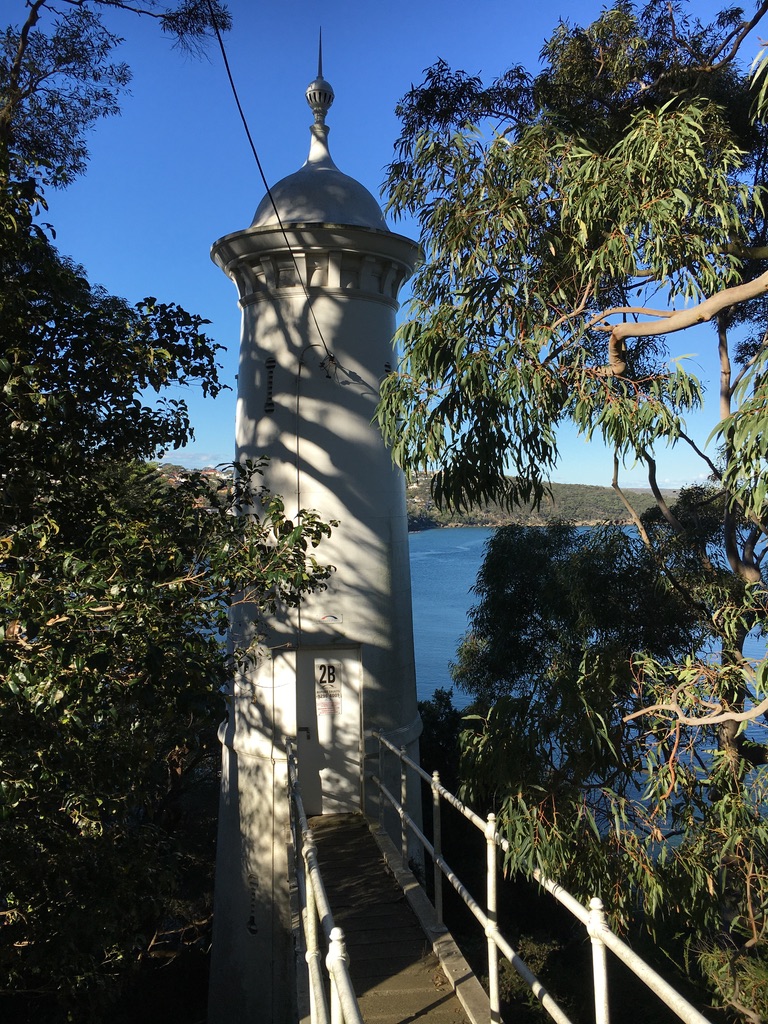
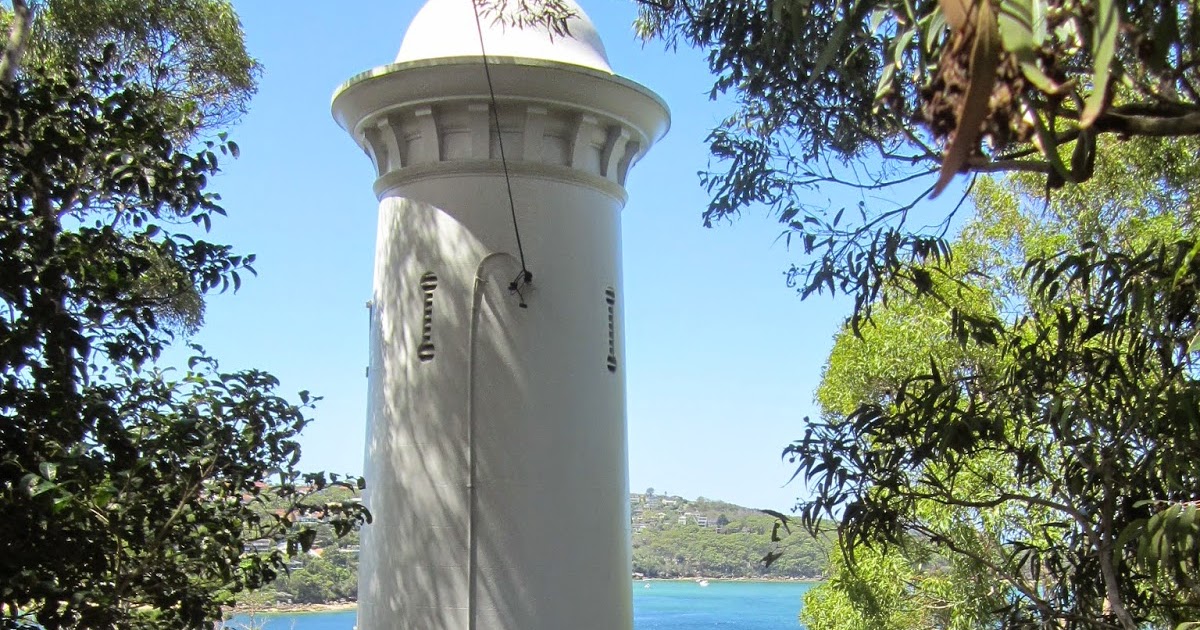
The lighthouse itself is a modest but elegant structure, standing just 7 meters tall. Built of rendered masonry and painted white, it features the classic cylindrical design of early 20th-century Australian lighthouses, topped with a small lantern room and gallery. Unlike the grand coastal lighthouses built to withstand ocean storms, Parriwi was designed for the more sheltered conditions of the harbour, giving it a delicate, almost ornamental quality.
The light was powered initially by acetylene gas, a common fuel source for smaller lighthouses of the period. This system was relatively low-maintenance, requiring less frequent attention than the oil lamps of earlier eras. The lighthouse was never manned by resident keepers; instead, it was serviced periodically by lighthouse personnel who would travel from other Sydney stations to ensure the light and mechanism were functioning properly.
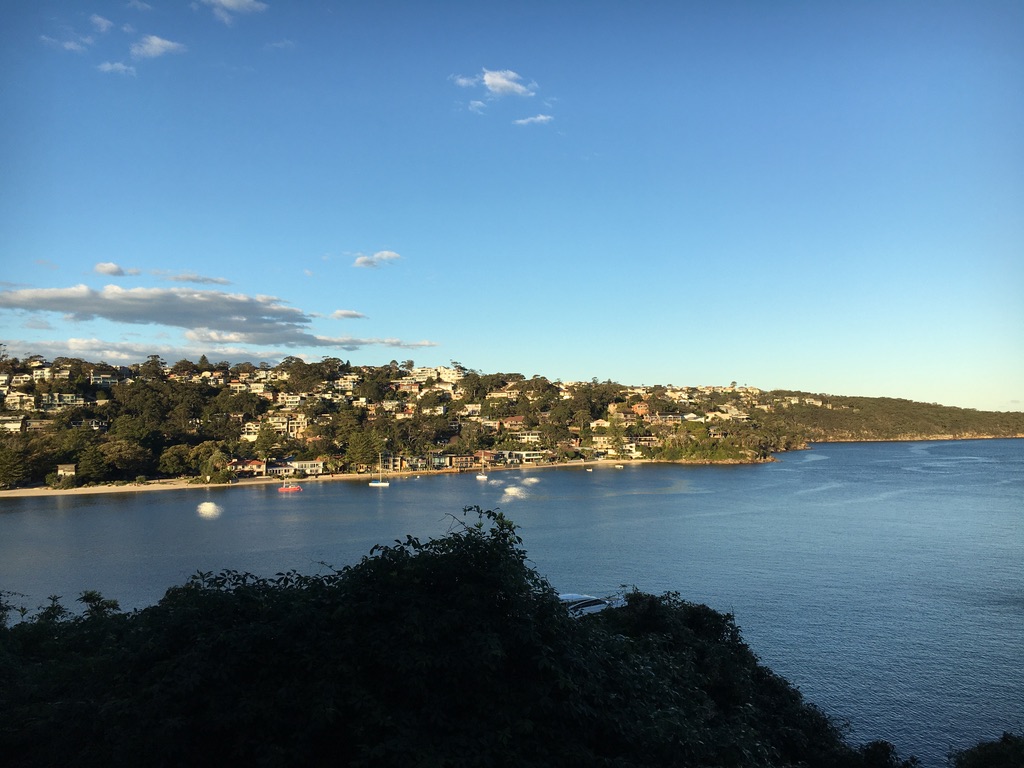
The setting of the Parriwi Lighthouse is spectacular. Perched on the headland, it offers sweeping views across Middle Harbour toward Balgowlah and Seaforth, with the harbour’s bushland-fringed waters creating a scene of natural beauty that seems worlds away from Sydney’s urban bustle. The lighthouse sits within the Sydney Harbour National Park, surrounded by native vegetation and accessible via walking trails that wind through the headland’s military heritage sites.
Middle Head itself has a rich military history, having served as a coastal defense installation from the 1870s through World War II. The lighthouse coexisted with gun emplacements, bunkers, and fortifications, all designed to protect Sydney from potential naval attack. This combination of military and maritime heritage makes the area particularly fascinating for history enthusiasts.
The Parriwi Lighthouse was decommissioned in 1995, its light extinguished after more than eight decades of service. Modern navigation technology and changes in harbour traffic patterns had made it redundant. However, rather than being demolished or allowed to deteriorate, the lighthouse has been preserved as a heritage structure, recognized for its architectural and historical significance.
Today, the lighthouse stands as a silent sentinel, its light no longer burning but its presence offering a tangible connection to Sydney’s maritime past. The site is accessible to the public via walking tracks from Georges Heights or Chowder Bay, making it a rewarding destination for bushwalkers and history buffs willing to venture off the beaten path.
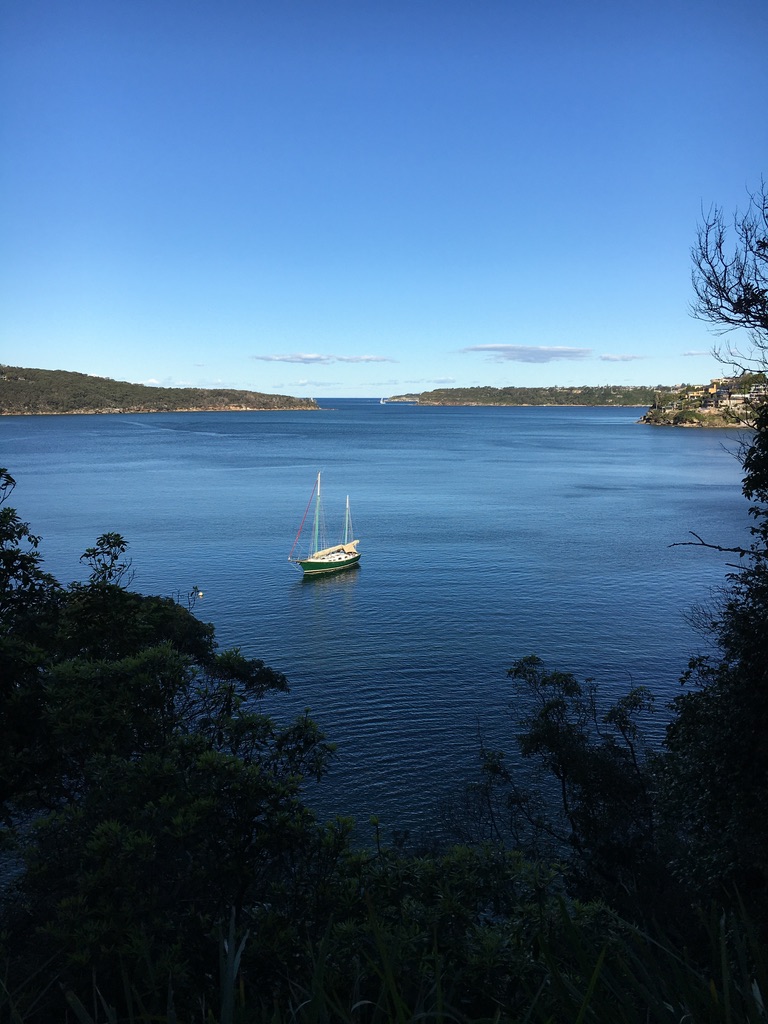
Unlike Sydney’s more celebrated lighthouses, Parriwi offers an intimate, contemplative experience. There are no crowds, no visitor centers, just a graceful white tower standing quietly among the gums and angophoras, overlooking the peaceful waters it once guided. For those who discover it, the Parriwi Lighthouse provides a reminder that Sydney’s maritime heritage extends far beyond the famous harbour entrance, into the quieter inlets and bays where smaller lights once performed their essential, unglamorous work with equal dedication.