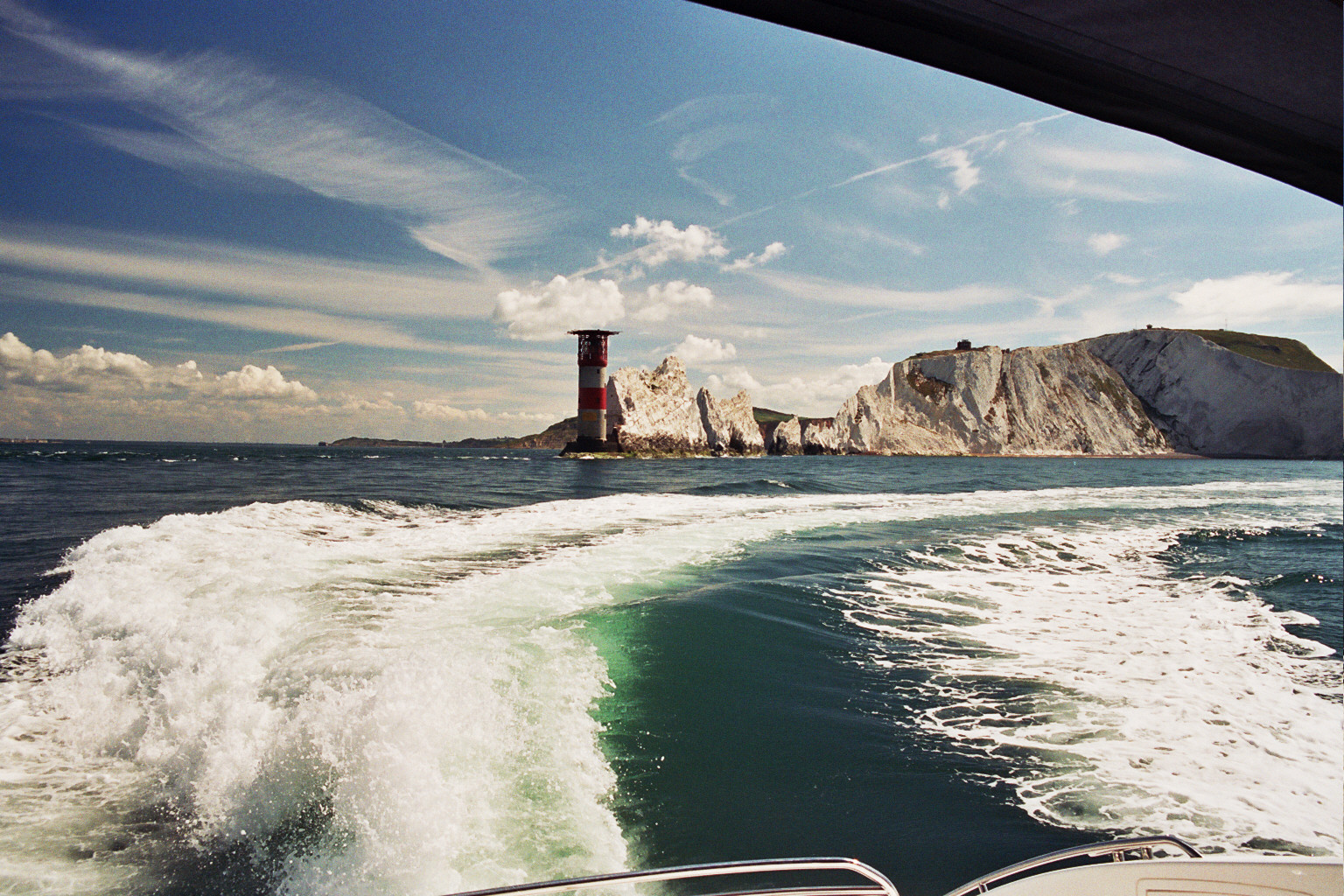
England’s dramatic outpost at The Needles
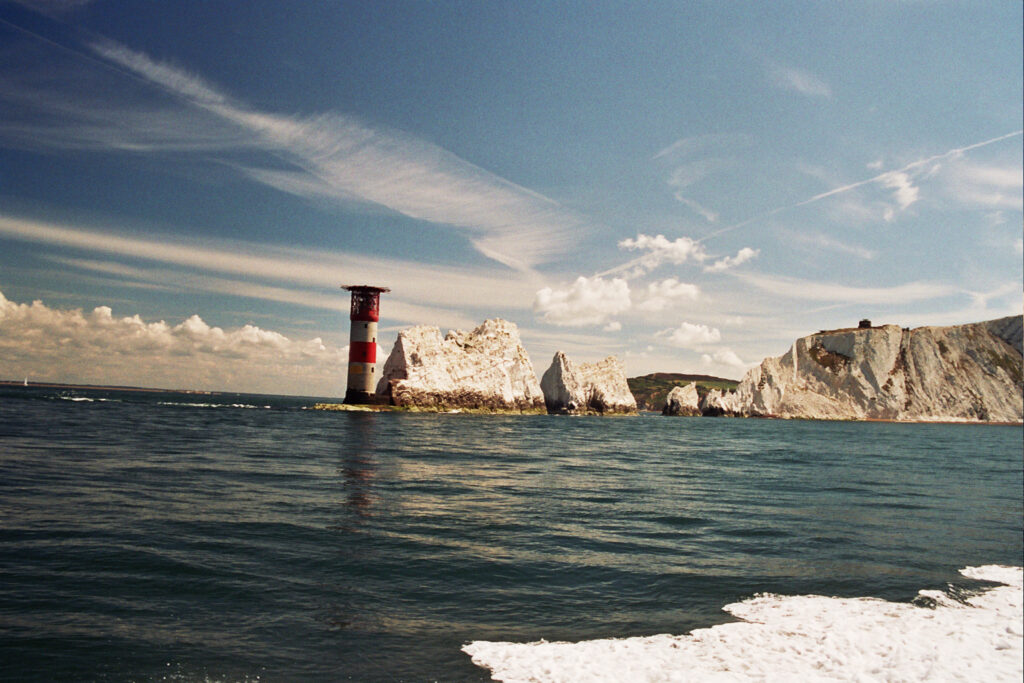
At the westernmost tip of the Isle of Wight, where three dramatic chalk stacks rise from the turbulent waters of the English Channel, stands one of Britain’s most iconic and challenging lighthouse stations. The Needles Lighthouse, perched precariously on the outermost rock of this famous formation, has warned mariners away from these deadly pinnacles since 1859. Its history is one of engineering audacity, human endurance, and the relentless power of the sea.
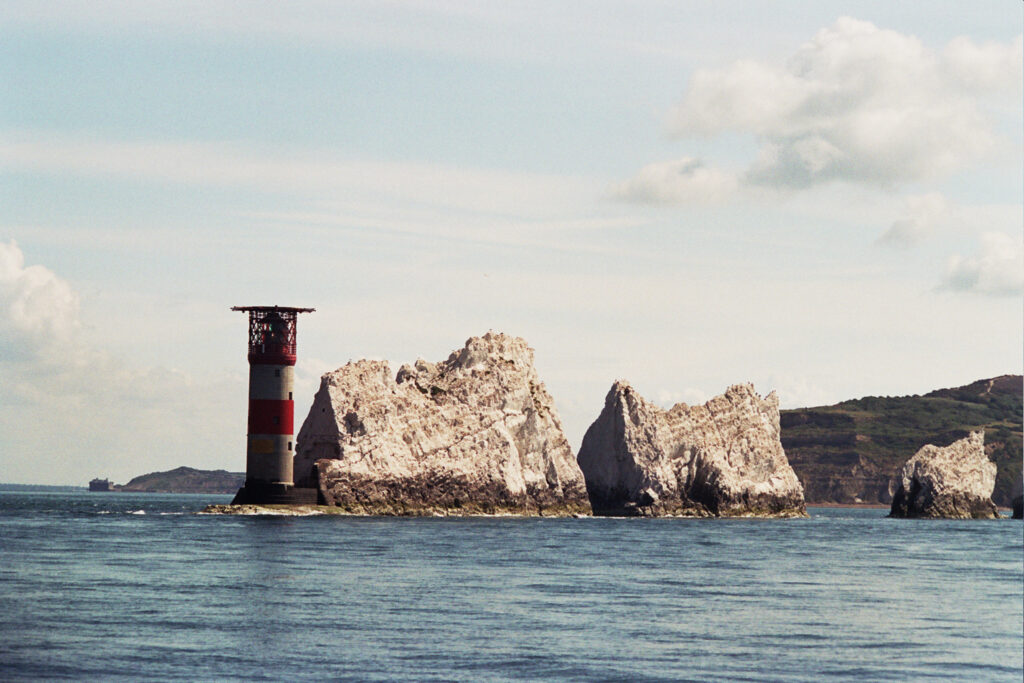
The Needles take their name from a fourth chalk pillar that once stood among them—a tall, slender spike that resembled a needle before it collapsed during a storm in 1764. Despite losing their namesake, the remaining three stacks continued to pose a lethal threat to shipping. The western approach to the Solent, the strait separating the Isle of Wight from mainland England, was one of the busiest shipping lanes in the world during the 19th century. Vessels rounding the Needles in fog or darkness frequently misjudged their position, with catastrophic results.
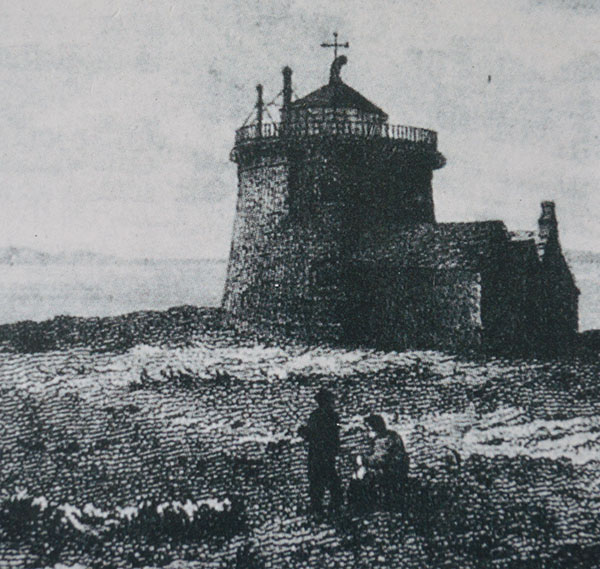
Initially, authorities attempted to address the hazard with a lighthouse built high on the chalk cliffs above the Needles in 1786. However, this elevated position—seemingly logical—proved disastrously flawed, exactly as would later occur at Beachy Head. The lighthouse stood so high that fog and low cloud frequently obscured its light from the ships below, rendering it useless precisely when mariners needed it most. After decades of complaints and continued shipwrecks, it became clear that a new approach was necessary.
The decision was made to build a lighthouse on the outermost Needles rock itself, directly in the path of Atlantic swells. This was an extraordinary engineering challenge. The site was a wave-battered pillar of crumbling chalk, accessible only during brief windows of calm weather and low tide. The rock itself was unstable, requiring careful assessment to determine if it could support a substantial structure.
Construction began in 1858 under the direction of James Walker, Engineer-in-Chief to Trinity House. Workers could only access the site when conditions permitted, sometimes waiting weeks between work sessions. They first had to level and strengthen the chalk platform, then build upward using granite blocks shipped from the mainland. Every stone, every tool, every supply had to be transported by boat and hoisted onto the slippery rock. The work was dangerous, uncomfortable, and achingly slow.
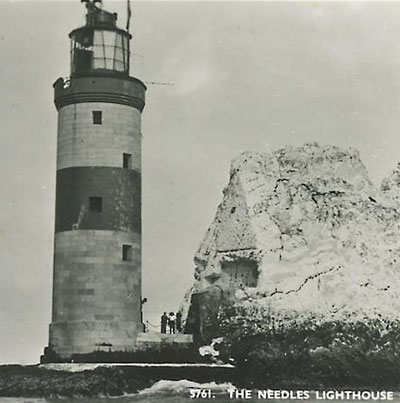
The lighthouse was completed in 1859, a triumph of Victorian engineering. Standing 33.25 meters tall, the red and white banded tower was built to withstand the full fury of Channel storms. The keepers’ quarters were incorporated into the base, as there was no room for a separate dwelling. Three keepers would typically be stationed at the lighthouse, rotating shifts to ensure continuous operation of the light and foghorn.
Life at the Needles was among the most challenging postings in the Trinity House service. The lighthouse was cramped, damp, and constantly assaulted by waves. During severe storms, the entire structure would shake as waves crashed over the lantern room, 100 feet above the sea. Keepers could be confined to the tower for weeks when weather prevented relief boats from landing. Supplies had to be carefully timed with tides and conditions. The isolation was profound—the keepers could see the Isle of Wight tantalizingly close, yet might as well have been in the middle of the ocean.
The fog signal, installed to warn ships during poor visibility, added another layer of hardship. The powerful horn, operated initially by compressed air and later by electricity, would blast regularly during fog, the noise reverberating through the tower and making rest nearly impossible. Keepers reported that after long fog periods, they could barely hear normal conversation.
Despite these hardships, the lighthouse performed its duty faithfully. Its light, initially powered by oil lamps and later converted to electricity, could be seen for 17 nautical miles. The distinctive red and white bands made it easily identifiable by day, while its characteristic light pattern—two white flashes every twenty seconds—became intimately familiar to mariners navigating the western Solent.
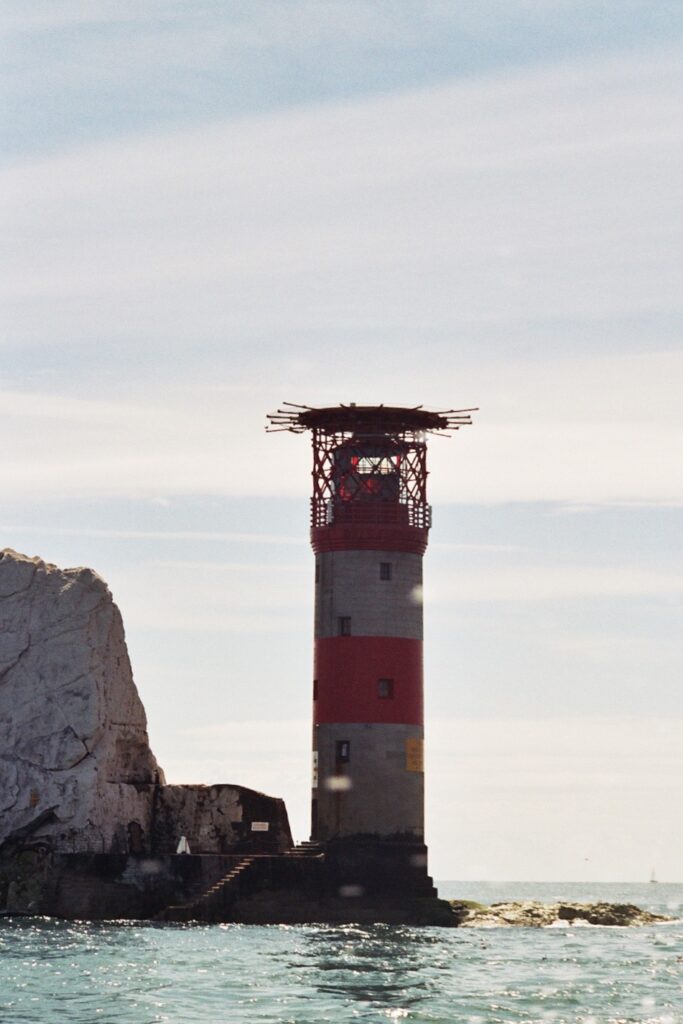
The Needles Lighthouse underwent significant modifications over the decades. In 1987, it became one of the last British lighthouses to be automated, ending over a century of resident keepers. The last keepers departed, and the lighthouse joined the growing network of remotely monitored stations. Today, it is controlled from Trinity House’s planning center in Harwich, Essex, though engineers still visit regularly for maintenance.
The automation sparked concern about the lighthouse’s future. Without resident keepers to perform constant upkeep, would the structure deteriorate? Trinity House committed to maintaining the lighthouse to the highest standards, and regular inspections and repairs have kept it in excellent condition.
Modern visitors can view the Needles Lighthouse from the clifftop above, where the old 1786 lighthouse still stands as a private residence, or from pleasure boats that cruise past the dramatic formation during summer months. The lighthouse remains an active aid to navigation, its light still sweeping across the Channel each night, its fog signal still sounding when visibility drops.
The Needles Lighthouse stands as a monument to the courage of Victorian engineers who dared to build on one of Britain’s most inhospitable sites, and to the generations of lighthouse keepers who endured isolation, danger, and discomfort to keep the light burning. Though the keepers are gone, replaced by automation and remote monitoring, the lighthouse continues its lonely vigil, warning ships away from the treacherous chalk stacks that have claimed so many vessels over the centuries. In an age of GPS and sophisticated navigation systems, this red and white tower still serves its original purpose—a reassuring beacon in one of the English Channel’s most challenging stretches of water.