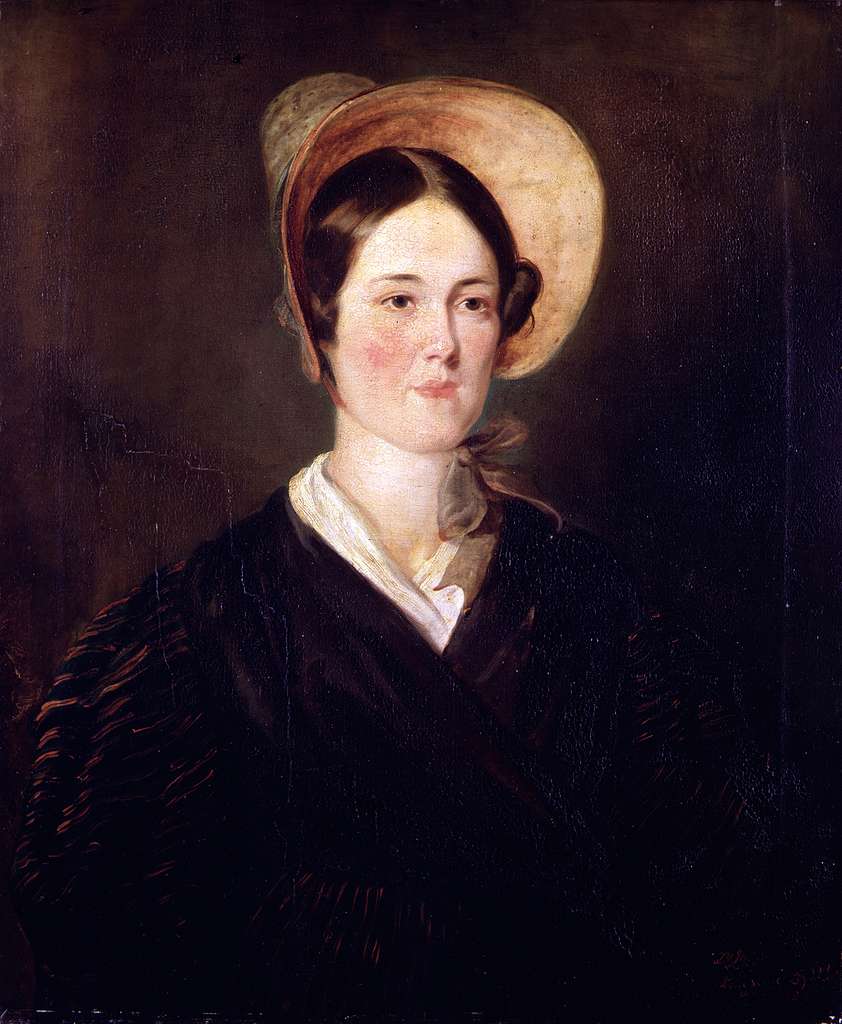
The heroic lighthouse keeper’s daughter
On a wild September morning in 1838, a young woman’s extraordinary act of courage transformed her from an obscure lighthouse keeper’s daughter into one of Victorian Britain’s most celebrated heroines. Grace Darling’s story is one of bravery, compassion, and the unexpected burden of fame—a tale that resonates far beyond the storm-tossed seas where her legend was born.
Grace Horsley Darling was born on November 24, 1815, in Bamburgh, Northumberland, the seventh of nine children born to William and Thomasin Darling. Her father was keeper of the Longstone Lighthouse, one of the Farne Islands’ outer lights, a lonely posting in the treacherous waters off the Northumberland coast. When Grace was a few weeks old, the family moved to the lighthouse, and it was here, in this isolated tower surrounded by seals, seabirds, and the relentless North Sea, that she would spend most of her life.
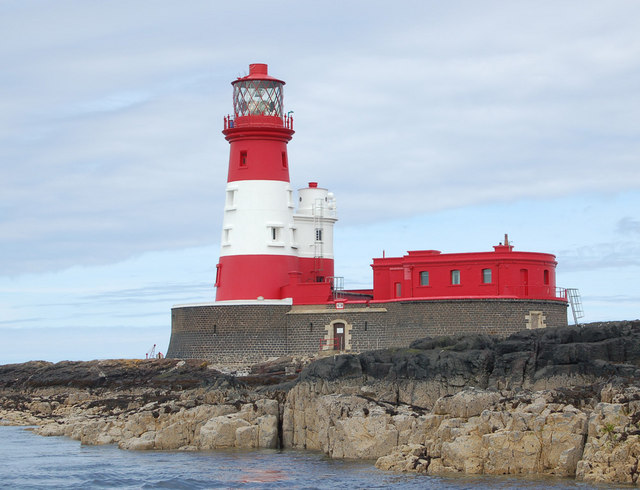
Life at Longstone was simple and demanding. The Darling children helped their parents with lighthouse duties, and Grace became particularly adept at assisting her father. While her siblings eventually left for lives on the mainland, Grace remained, content with the rhythms of lighthouse life—tending the lamps, watching the weather, and observing the ships that passed their remote station. She was known for her quiet competence, her love of reading, and her devotion to her family. Nothing suggested she would become a household name.
September 7, 1838, began like many autumn mornings—with a fierce gale battering the Farne Islands. The paddle steamer Forfarshire, traveling from Hull to Dundee with sixty-three passengers and crew aboard, had been struggling against deteriorating weather. Her boilers had failed, leaving the vessel helpless before the storm. Around 4 a.m., the Forfarshire struck the rocks of Big Harcar, one of the Farne Islands, and broke apart.
At dawn, twenty-two-year-old Grace was looking through a telescope from the lighthouse lantern room when she spotted survivors clinging to the wreckage. Through the spray and chaos, she could make out people huddled on the rocks, battered by waves. She immediately alerted her father. William Darling assessed the situation with a seaman’s eye—the storm was still raging, the seas mountainous, and the survivors were nearly a mile away across one of the most dangerous stretches of water in Britain. To attempt a rescue would be extremely hazardous.
But people were dying. William knew that by the time the lifeboat from North Sunderland could be launched and rowed the seven miles to the scene, it would likely be too late. The only hope for those survivors was the lighthouse’s small twenty-one-foot coble, a traditional fishing boat designed for these waters but never intended for such conditions.
Grace pleaded with her father to attempt the rescue. Her mother and the lighthouse’s occasional helper were there, but William knew he couldn’t manage the heavy oars alone in such seas. Grace insisted she would row with him. What happened next would become legend.
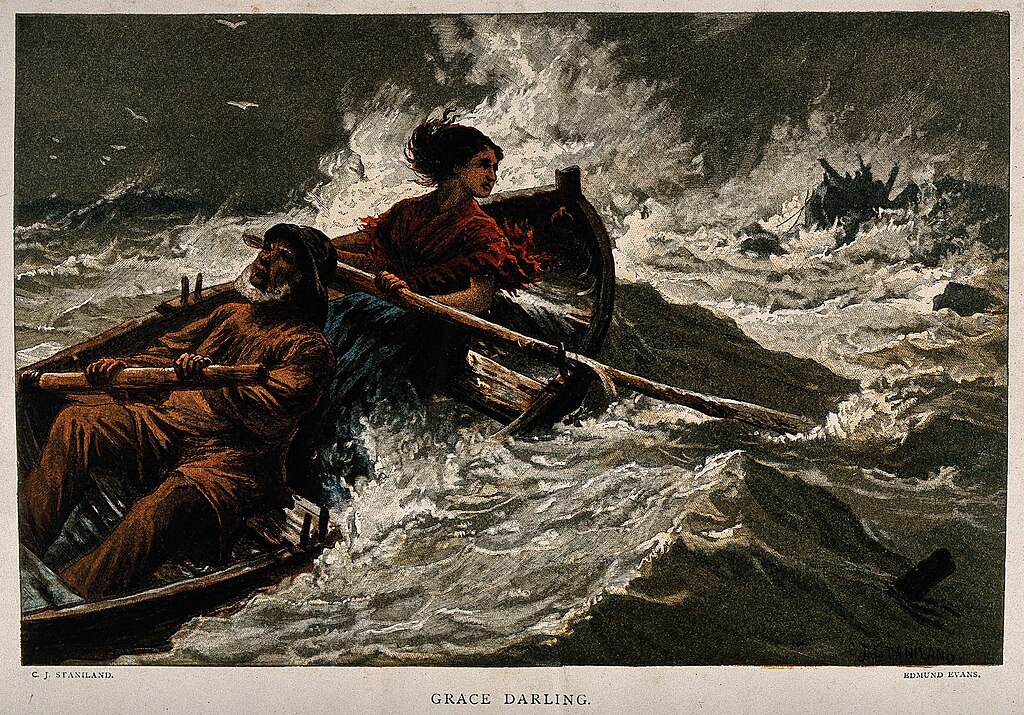
Father and daughter launched the coble into the violent sea. Grace rowed with all her strength while William steered, navigating through towering waves and around jagged rocks. The journey must have been terrifying—one wrong move would have dashed their boat to pieces. After what seemed an eternity, they reached Big Harcar.
They found nine survivors, including a woman clutching her two dead children. The coble couldn’t safely carry everyone, so William jumped onto the rocks while Grace, in an almost superhuman feat, held the boat steady against the surging waves by rowing constantly. William and three of the rescued men helped load four survivors—including the traumatized woman—into the boat. Grace and her father rowed back to the lighthouse through the storm.
After ensuring the first group was safe, William and two of the rescued men returned for the remaining survivors. All nine people were saved, though five had already perished before the Darlings arrived, and many others had been swept away when the ship first broke apart.
News of the rescue spread rapidly. The story had everything the Victorian public craved: a beautiful young woman, dramatic heroism, and a setting of sublime natural danger. Grace became an instant celebrity. She received countless letters, marriage proposals, and requests for locks of her hair. Artists painted her portrait. Poets wrote verses in her honor. She was awarded medals and substantial monetary gifts.
The attention overwhelmed Grace, who had never sought fame. She found the constant public interest intrusive and exhausting. Sadly, she would have little time to adjust to her transformed life. In 1842, just four years after the rescue, Grace died of tuberculosis at her sister’s home in Bamburgh. She was only twenty-six years old.
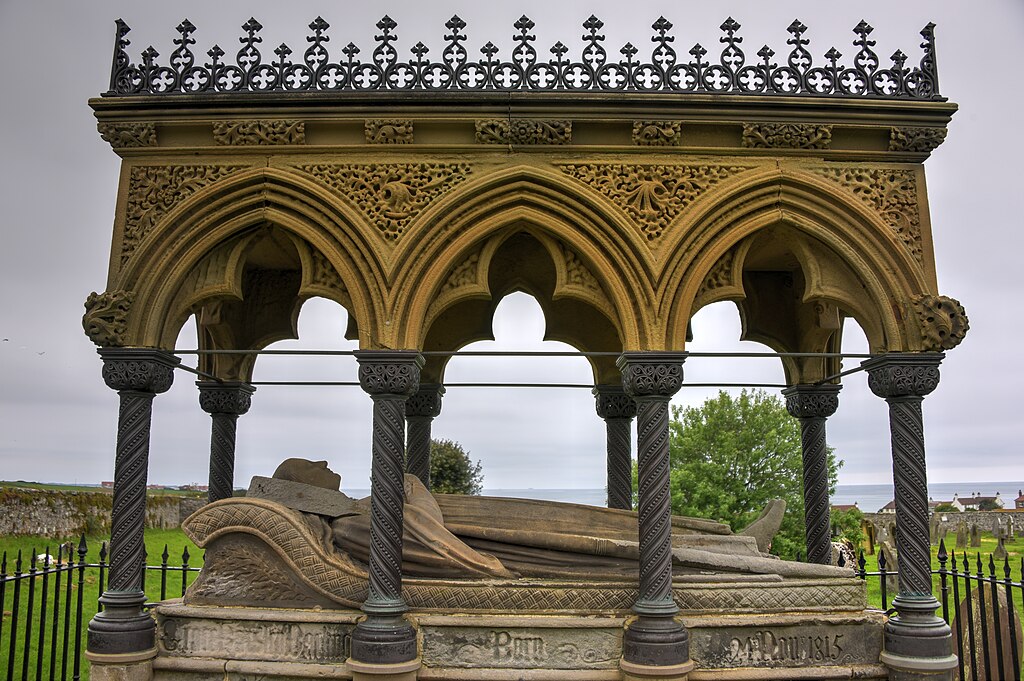
Grace Darling’s grave in Bamburgh churchyard is marked by an elaborate monument featuring her effigy lying in repose, forever memorialized in stone. Her story endures as a reminder that heroism can emerge from the most unlikely places—from a quiet young woman who simply couldn’t stand by while others suffered, even if helping them meant risking everything. In those dark morning hours on September 7, 1838, Grace Darling showed the world what courage truly looks like.