
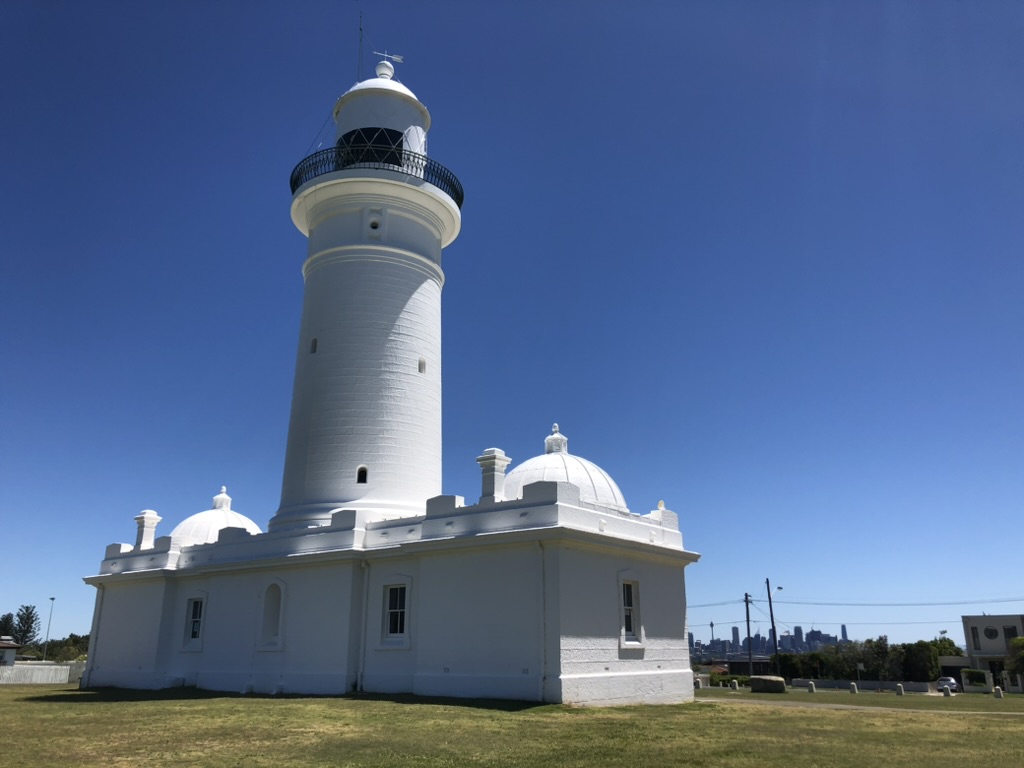
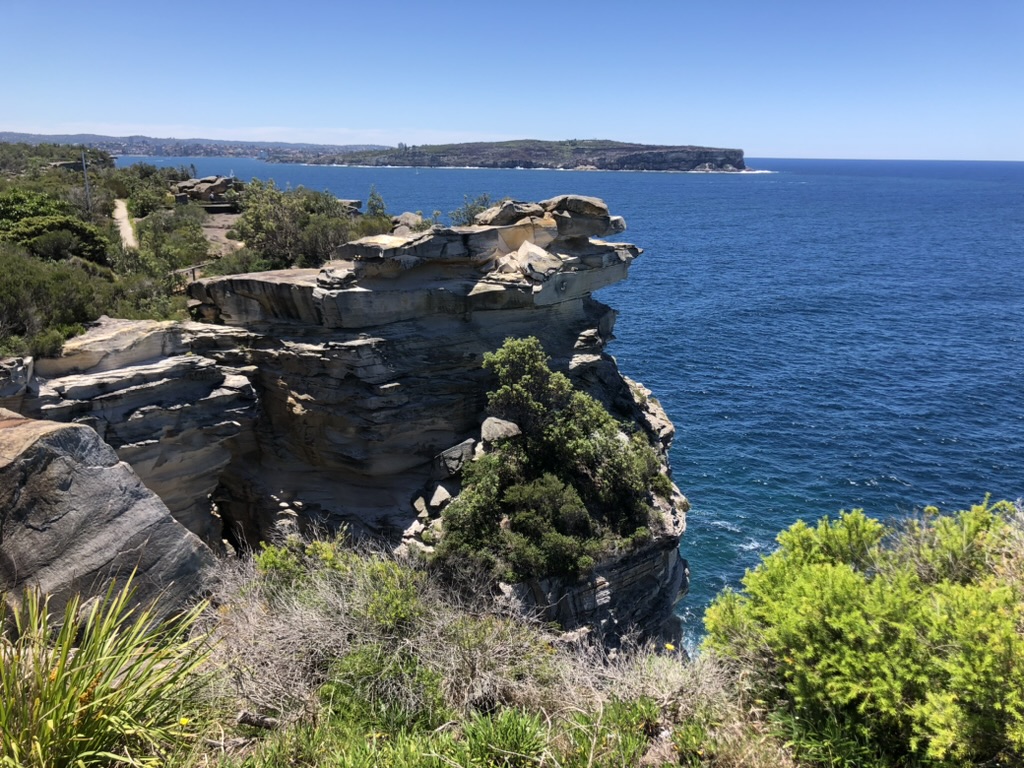
For over two centuries, this iconic landmark has guided vessels safely past the treacherous cliffs of South Head, bearing witness to Sydney’s transformation from a remote colonial outpost to a vibrant global metropolis. Its story is one of vision, tragedy, architectural evolution, and enduring service.
The Macquarie Lighthouse’s origins lie in the vision of Governor Lachlan Macquarie, one of early Australia’s most progressive administrators. By the early 19th century, Sydney was growing rapidly, and maritime traffic in and out of Port Jackson was increasing. However, the harbour entrance was notoriously dangerous. The sandstone cliffs of South Head concealed deadly rocks below, and in fog or darkness, ships frequently misjudged the entrance with catastrophic results. A lighthouse was desperately needed.
In 1816, Governor Macquarie commissioned Francis Greenway, a convict architect who had been transported to Australia for forgery, to design the colony’s first lighthouse. This commission was remarkable on several levels—not only would it be Australia’s first permanent lighthouse, but it represented an extraordinary opportunity for a convicted criminal to redeem himself through public service. Greenway, who would later become one of Australia’s most celebrated colonial architects, embraced the challenge.
The original Macquarie Lighthouse was completed in 1818, making it Australia’s first and, at the time, the most southern lighthouse in the world. Greenway’s design was distinctive and ambitious for a fledgling colony with limited resources. The tower stood approximately 12 meters tall, constructed from local sandstone in a Gothic style that reflected Greenway’s architectural training. The lighthouse featured crenellations and an octagonal lantern room, giving it the appearance of a fortified tower—romantic and imposing against the Pacific horizon.
The light source was equally innovative for its time and place. The lighthouse used a reflector system with oil lamps, their light visible up to 20 kilometers at sea. Maintaining the light required constant attention from the keeper, who lived in a cottage adjacent to the tower. The first keeper was Robert Watson, who received the then-substantial salary of £50 per year for his vital work.
The original lighthouse served Sydney for decades, becoming a beloved landmark. However, Greenway’s tower had a fatal flaw—the local sandstone he’d used was porous and soft, and the relentless assault of salt spray, wind, and rain gradually eroded it. By the 1870s, the structure was deteriorating dangerously. Chunks of stone were falling away, and cracks threatened the tower’s stability. Something had to be done.
Rather than attempt repairs, authorities decided to demolish the original and build a new lighthouse on the same site. The task fell to colonial architect James Barnet, who designed a taller, more robust tower. Construction began in 1881, and workers carefully demolished Greenway’s lighthouse while simultaneously building its replacement, ensuring the light was never extinguished—a remarkable feat of coordination that maintained the lighthouse’s unbroken service record.
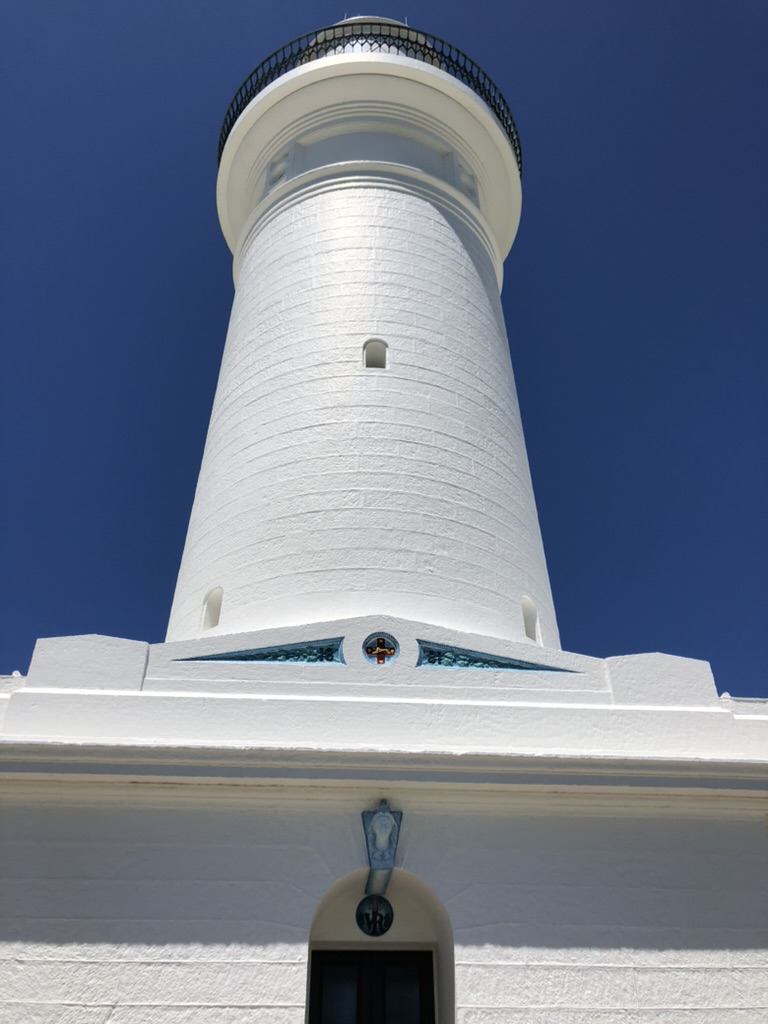
Barnet’s new lighthouse, completed in 1883, stood 26 meters tall—more than twice the height of its predecessor. Built from sandstone quarried from Pyrmont, it featured a more classical design with clean lines and a prominent balcony surrounding the lantern room. The architect respectfully incorporated elements from Greenway’s original design, creating a sense of continuity with the past while providing a structure built to last. To honor the original, some of the stones from Greenway’s lighthouse were incorporated into the keeper’s cottage.
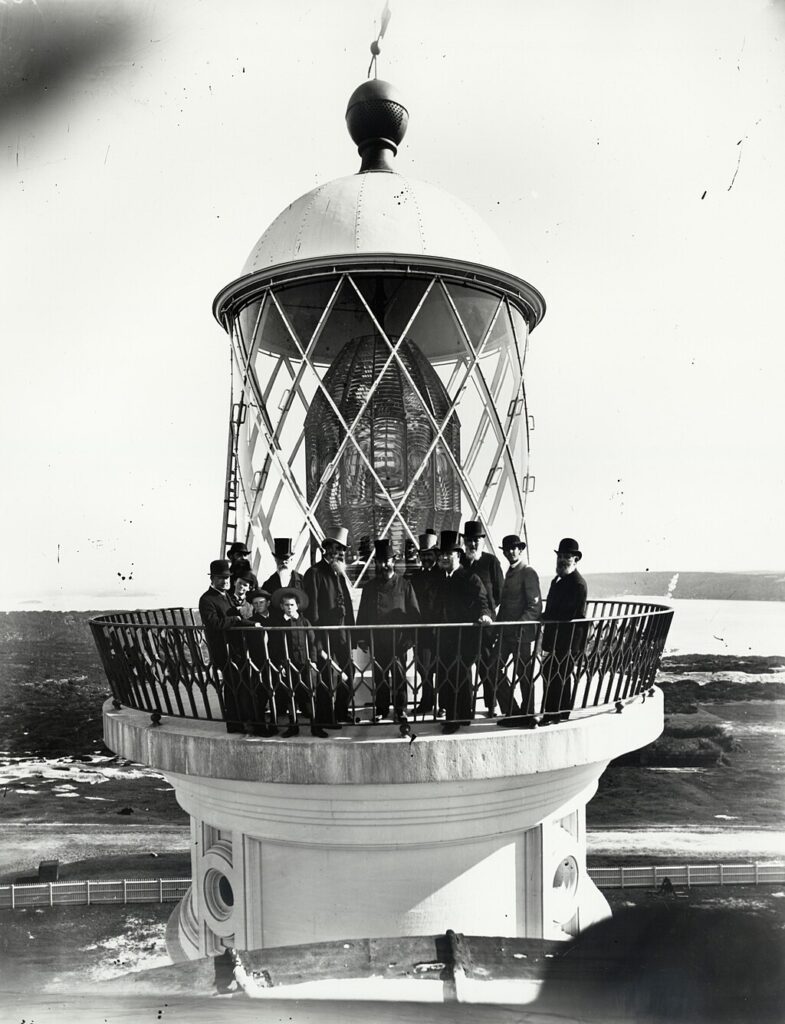
The new lighthouse was equipped with a more powerful light system featuring a first-order Fresnel lens, dramatically increasing the light’s range and intensity. This technological leap meant ships could see the light from up to 40 kilometers away, significantly improving navigation safety. The lighthouse’s characteristic flash pattern—one flash every seven and a half seconds—became intimately familiar to generations of Sydney mariners.
Life as a lighthouse keeper at Macquarie was often solitary but came with certain privileges. The keeper and his family lived in the cottage with spectacular views over the Pacific Ocean and Sydney Harbour. The position required dedication—the light had to be maintained every night without fail, the lens polished, the mechanism wound, and accurate records kept. Keeper families became part of the lighthouse’s story, some serving for decades.
The lighthouse underwent significant modernization in the 20th century. In 1933, it was converted from oil to electricity, making the keeper’s nightly routine considerably easier. In 1976, it was fully automated, ending the era of resident keepers. Today, the light is monitored remotely, though the Australian Maritime Safety Authority maintains the facility.
The Macquarie Lighthouse has witnessed countless moments of Sydney’s maritime history. It guided convict ships, gold rush vessels, immigrant ships carrying hopeful settlers, warships during two world wars, and modern container vessels. It has stood watch during shipwrecks, including the tragic loss of the Dunbar in 1857, which struck rocks just below the lighthouse during a storm, killing all but one of the 122 people aboard—a disaster that haunted the lighthouse community for generations.
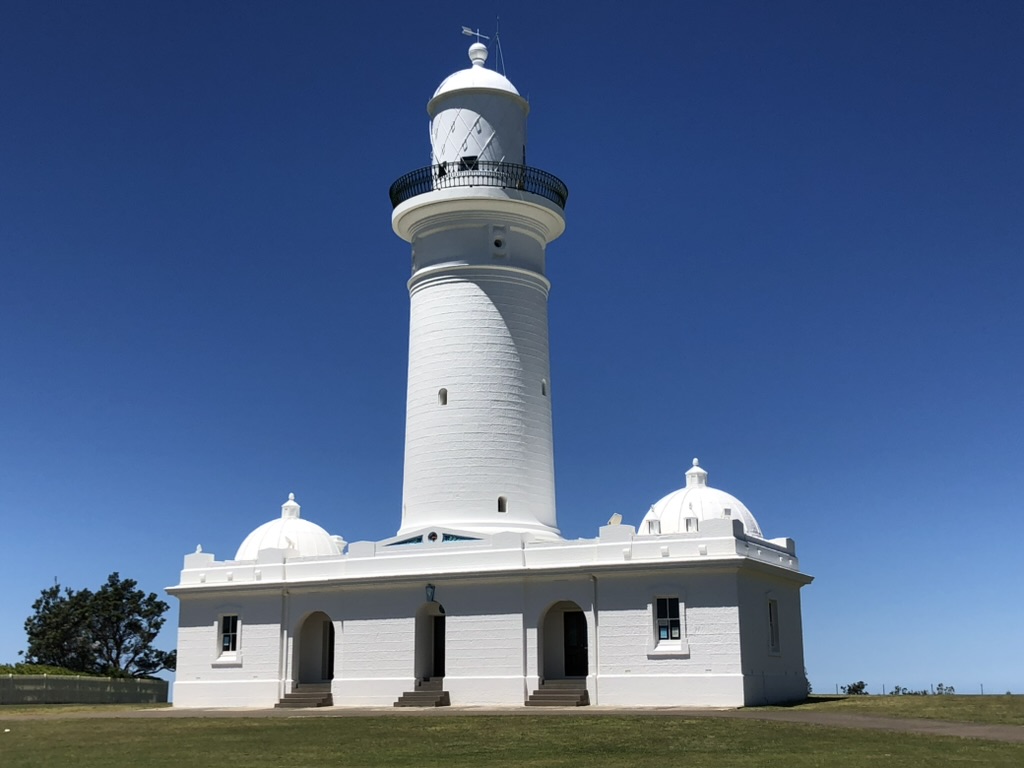
Today, the Macquarie Lighthouse remains an active navigational aid while also serving as a beloved heritage icon. Listed on the New South Wales State Heritage Register, it attracts visitors who come to admire its architecture, learn its history, and enjoy the breathtaking views from Dunbar Head. The grounds are occasionally opened for public tours, offering rare glimpses into Australia’s lighthouse heritage.
The Macquarie Lighthouse stands as a testament to vision, resilience, and continuity. From Greenway’s ambitious first tower to Barnet’s enduring replacement, it represents over 200 years of unbroken service—a beacon that has never failed in its duty to guide mariners home. In a city that has changed beyond recognition since 1818, the lighthouse remains constant, its light still sweeping across the Pacific each night, just as it has for more than two centuries.
Leave a Reply