
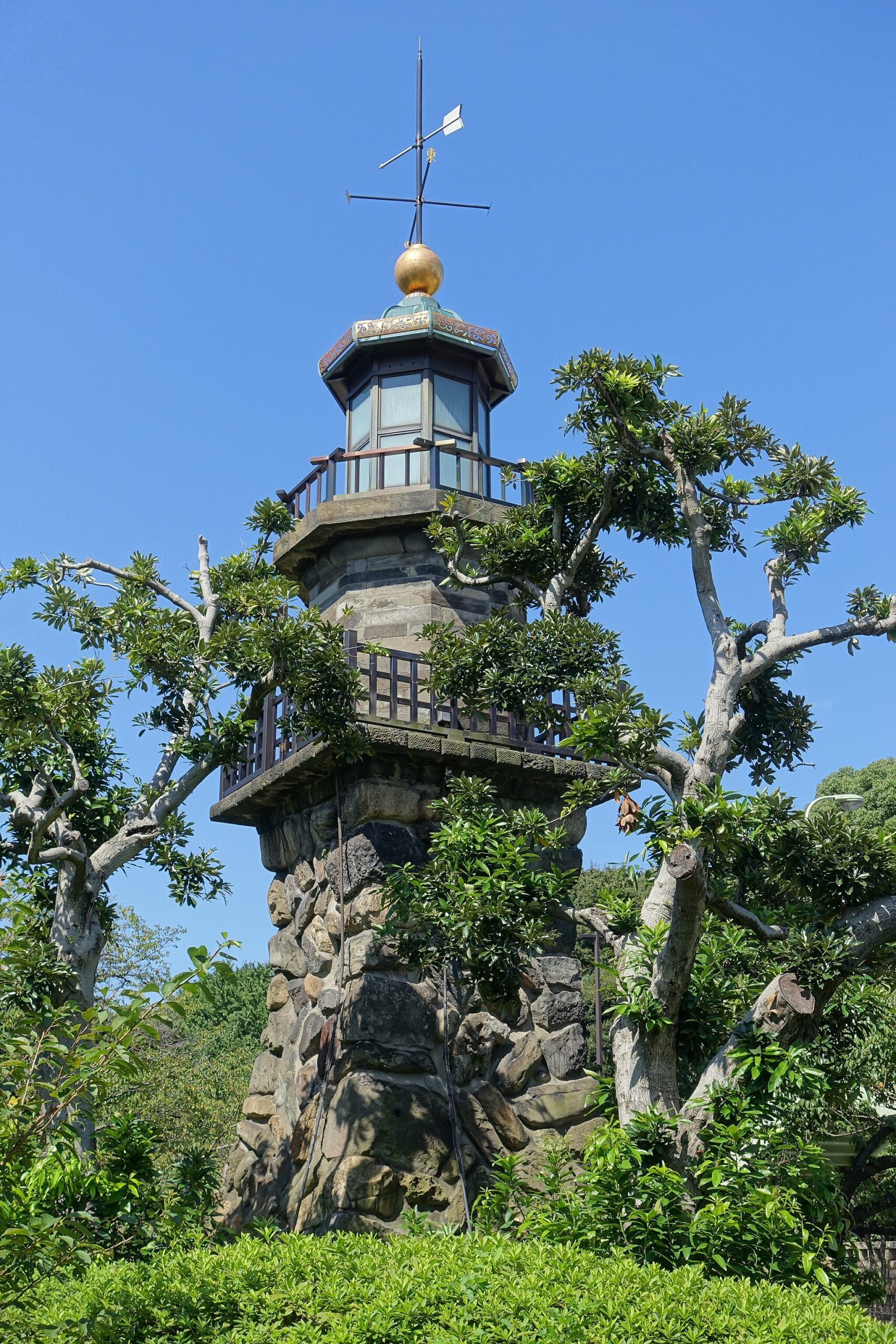
In the heart of Tokyo, far from any coastline, stands one of the world’s most unusual lighthouses. The Kudanzaka Lighthouse rises incongruously from the grounds of the Yasukuni Shrine in Chiyoda Ward, miles from the nearest ocean. This landlocked beacon tells a poignant story of remembrance, gratitude, and Japan’s deep connection to the sea—a story that has nothing to do with guiding ships and everything to do with honoring the souls of those lost at sea.
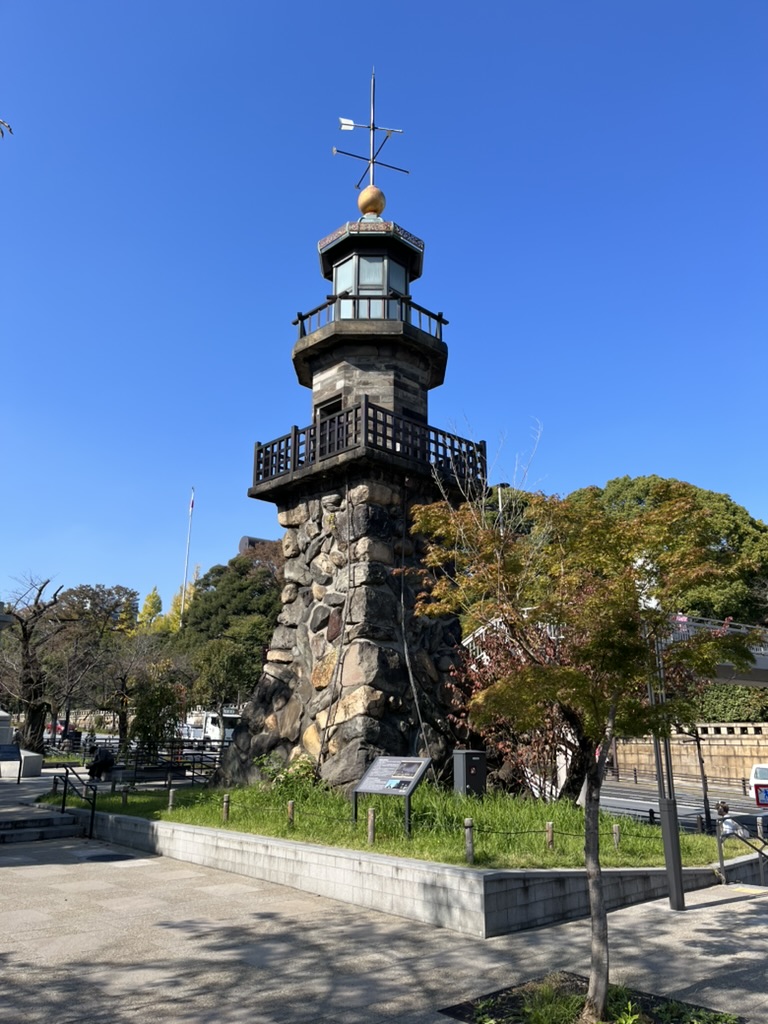
Built in 1871, the Kudanzaka Lighthouse is believed to be Japan’s oldest surviving stone lighthouse. Standing approximately 12 meters tall, the tower is modest compared to its coastal counterparts, yet its symbolism towers far higher than its physical structure. Unlike typical lighthouses designed to warn mariners of danger or guide them to harbor, this lighthouse serves an entirely spiritual purpose—it exists to guide the spirits of sailors and fishermen who perished at sea.
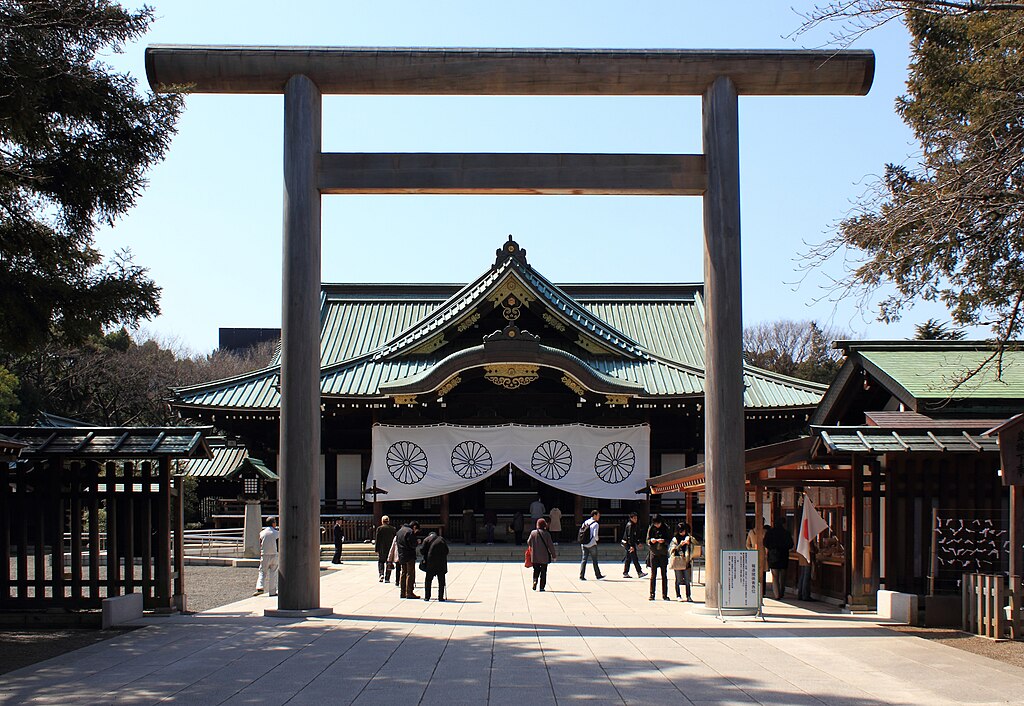
The lighthouse’s location at Yasukuni Shrine is significant. Yasukuni was established in 1869 to commemorate those who died in service to Japan, and it became a place of profound national importance. The addition of the lighthouse two years later reflected Japan’s recognition that the sea claimed countless lives—not just in naval battles, but in the daily perils faced by fishermen and merchant sailors whose work was essential to the island nation’s survival and prosperity.
The concept behind the Kudanzaka Lighthouse stems from Buddhist and Shinto traditions regarding the souls of the dead. According to Japanese belief, those who died at sea without proper burial faced particular spiritual challenges. Their bodies, never recovered, meant traditional funeral rites couldn’t be performed. The lighthouse was conceived as a spiritual beacon to guide these wandering souls to rest, offering them the same safe harbor that coastal lighthouses provided to living sailors.
Structurally, the Kudanzaka Lighthouse resembles Western-style lighthouses that were being constructed along Japan’s coasts during the Meiji era, when Japan was rapidly modernizing and opening to international trade. The design reflects the influence of foreign lighthouse engineers, particularly the British, who helped Japan develop its maritime infrastructure. The stone construction and cylindrical form were typical of the period, though the lighthouse’s inland placement made it unique from the start.
For decades, the lighthouse stood as a quiet memorial, its light no longer functioning but its presence serving as a reminder of maritime sacrifice. During the tumultuous years of the early-to-mid 20th century, as Japan engaged in naval conflicts and expanded its maritime activities, the lighthouse took on additional significance. Families of lost sailors would visit, offering prayers for loved ones whose graves were the ocean itself.
Today, the Kudanzaka Lighthouse is designated as a tangible cultural property of Tokyo, recognized for its historical and cultural significance. Though it no longer lights, the structure remains well-maintained, standing in dignified contrast to the surrounding modern cityscape. Visitors to Yasukuni Shrine often pause at the lighthouse, many unaware of its unique history, while others come specifically to pay respects at this unusual monument.
The lighthouse serves as a reminder of Tokyo’s transformation. In 1871, when it was built, Edo Bay wasn’t far away, and the city’s connection to maritime life was immediate and vital. Today, surrounded by office buildings, train stations, and the dense urban fabric of one of the world’s largest cities, the lighthouse seems almost surreal—a nautical monument marooned on dry land.
Yet this landlocked lighthouse perhaps fulfills its purpose more perfectly than any coastal beacon ever could. It stands as a permanent memorial, never at risk from storms or erosion, eternally accessible to those who wish to remember the sea’s human cost. The Kudanzaka Lighthouse reminds us that lighthouses are more than navigational tools—they are symbols of hope, remembrance, and humanity’s eternal relationship with the ocean.
In a city constantly racing toward the future, this small tower anchors Tokyo to its maritime past, ensuring that those lost to the sea are never forgotten, and that their spirits, wherever they may wander, always have a light to guide them home.
Leave a Reply