
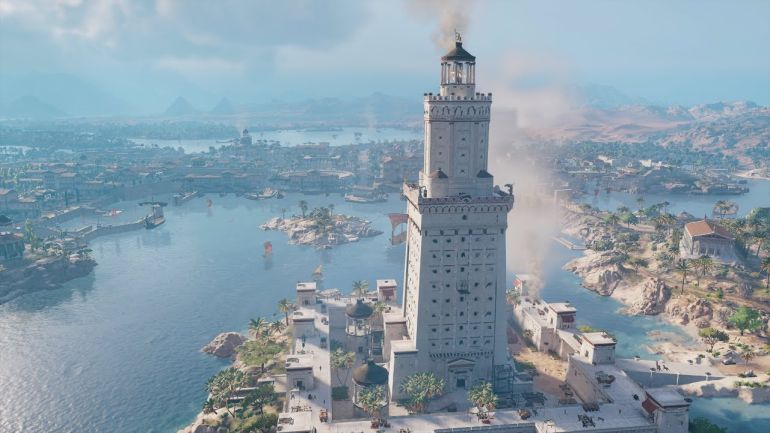
Rising majestically from the harbour entrance of ancient Alexandria, the Pharos Lighthouse stood as one of humanity’s most ambitious architectural achievements. For nearly 1,500 years, this colossal tower guided ships safely into one of the ancient world’s greatest ports, while simultaneously proclaiming the power, wealth, and technical sophistication of Ptolemaic Egypt. Though it has long since vanished, the Pharos remains legendary—one of the Seven Wonders of the Ancient World and the prototype for all lighthouses that followed.
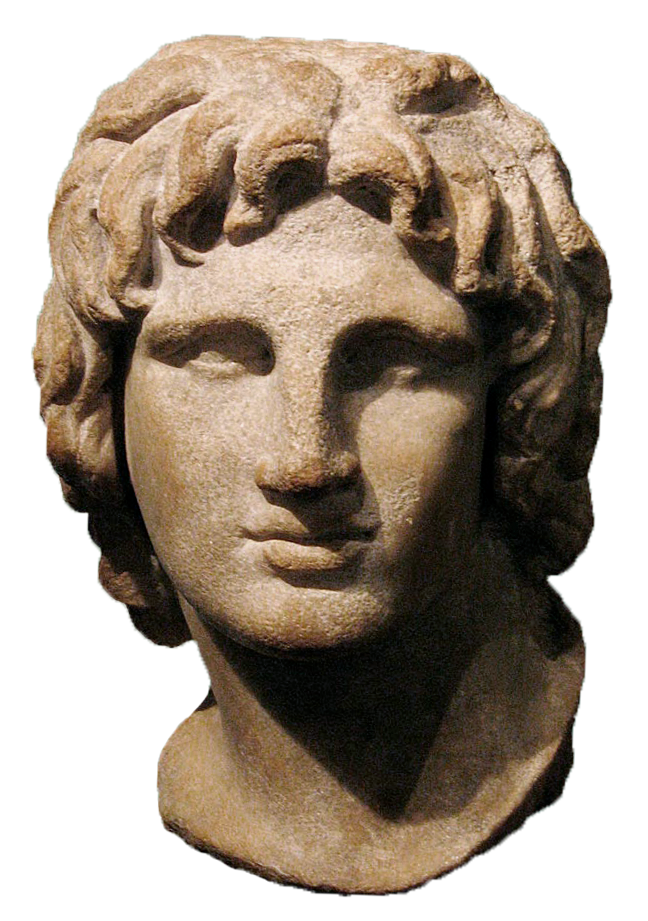
The story of the Pharos begins with Alexander the Great, who founded Alexandria in 331 BCE at the western edge of the Nile Delta. The city was strategically positioned to become a hub of Mediterranean trade, but its harbor presented navigational challenges. The coastline was treacherous, with submerged rocks and shifting sandbars, while the flat delta landscape offered few natural landmarks for approaching sailors. A monumental beacon was needed.
Construction began around 280 BCE under Ptolemy I Soter, though the lighthouse wasn’t completed until the reign of his son, Ptolemy II Philadelphus, sometime between 280 and 247 BCE. The architect was Sostratus of Cnidus, a renowned engineer whose name was reportedly hidden in the dedication inscription—covered by plaster honoring the king, but revealed in stone beneath, ensuring his fame would outlast royal vanity when the plaster eventually fell away.
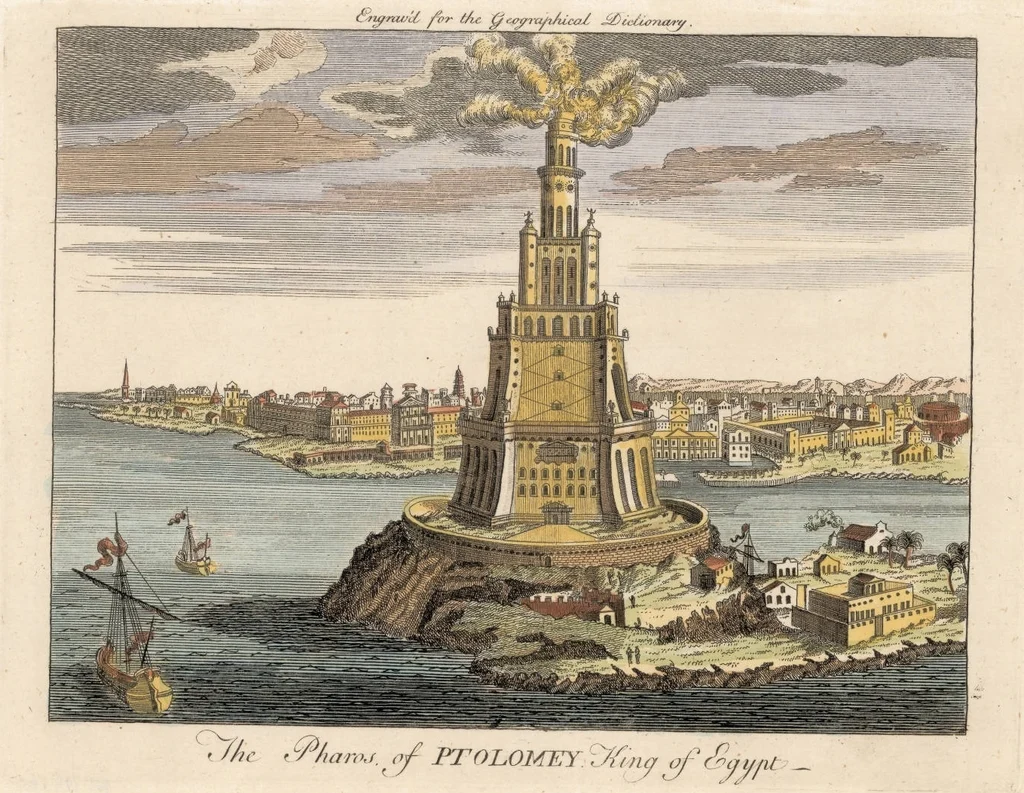
The Pharos was built on a small island of the same name, connected to the mainland by a causeway called the Heptastadion. This location placed the lighthouse at the harbor’s entrance, where its light could be seen from the greatest distance. Ancient accounts vary regarding its exact height, but most modern scholars estimate it stood between 100 and 130 meters tall—roughly equivalent to a modern 40-story building. This made it one of the tallest structures in the ancient world, second only to the pyramids.
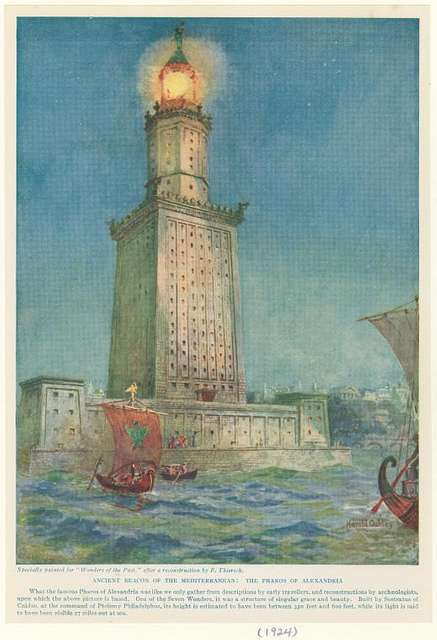
The lighthouse’s design was ingenious and unprecedented. It consisted of three distinct tiers, each with different architectural characteristics. The bottom section was a massive square base, approximately 30 meters on each side, which housed the operational rooms, quarters for the staff who maintained the light, and likely storage for fuel. This section may have stood about 70 meters high.
The middle section was octagonal, rising perhaps 35 meters, and was slightly narrower than the base. This tier served both structural and aesthetic purposes, providing a graceful transition between the square base and what came above. Some accounts suggest this level contained a spiral ramp that allowed fuel to be transported to the top—an essential feature given the enormous quantities of wood needed to maintain the beacon.
The top section was cylindrical, crowned by a domed cupola supported by columns. Here, at a height that made workers appear tiny as ants to observers below, burned the great fire that gave the Pharos its purpose. Accounts describe the beacon as visible from up to 35 miles at sea, though this claim is debated by modern scholars who understand the limitations of ancient fuel and optics.
The fire itself was a marvel of ancient engineering. Maintained constantly, day and night, it required massive amounts of fuel—likely wood, though some sources mention alternative materials. Ancient writers describe mirrors or polished metal reflectors that amplified and directed the light, making it visible at extraordinary distances. By day, the smoke column served as a navigational aid; by night, the fire blazed forth. Some accounts even suggest the reflectors could be used as burning mirrors to set enemy ships ablaze, though this is likely legend rather than fact.
The Pharos was adorned with statues, possibly including representations of Poseidon and other sea deities. Inscriptions proclaimed the glory of the Ptolemaic dynasty. The structure was built primarily of light-colored limestone blocks, which would have gleamed brilliantly in the Egyptian sun, making the tower visible from great distances even without its fire.
For centuries, the Pharos performed its duty faithfully, becoming synonymous with Alexandria itself and with the very concept of a lighthouse. The Greek word “pharos” became the root for the word “lighthouse” in Romance languages—faro in Italian and Spanish, phare in French, farol in Portuguese.
The lighthouse survived remarkably long, enduring through the Ptolemaic period, Roman rule, and into the Islamic era. Arab travelers of the medieval period left detailed descriptions of the aging but still-functioning structure. However, a series of earthquakes between 956 and 1323 CE progressively damaged the tower. The devastating earthquake of 1303 appears to have been the final blow, reducing the once-mighty Pharos to ruins.
In 1480, the Mamluk Sultan Qaitbay built a medieval fortress on the site, incorporating some of the fallen Pharos stones into its construction. This fortress still stands today, a palimpsest of history where visitors can see ancient granite columns and stones that once formed part of the great lighthouse.
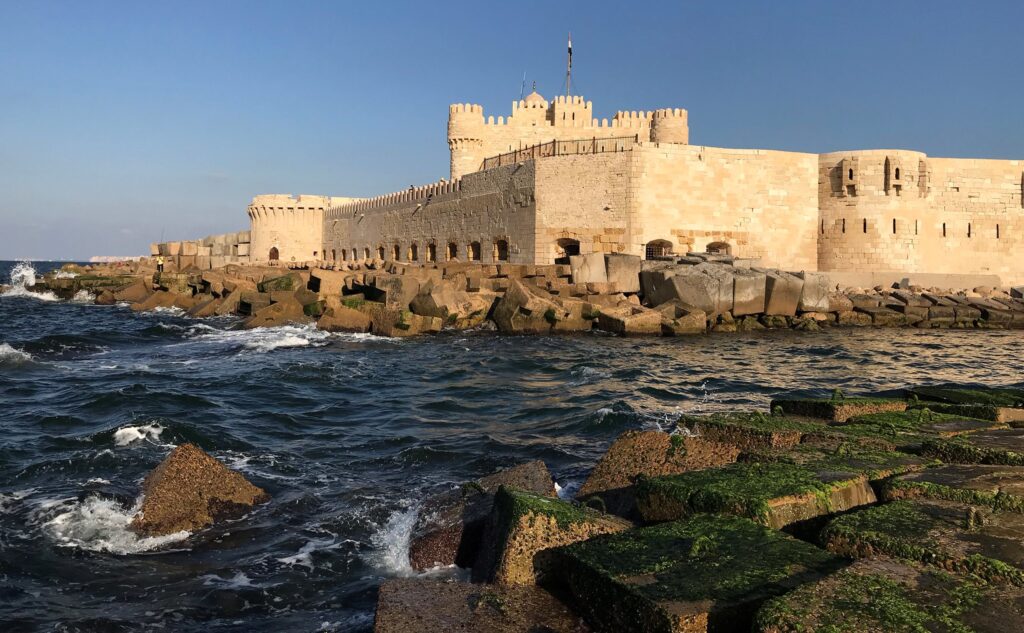
Modern archaeology has revealed tantalizing glimpses of the Pharos. Underwater excavations in Alexandria’s harbor have recovered statues, columns, and massive blocks believed to be from the lighthouse. These finds confirm the ancient descriptions of the structure’s enormous scale and elaborate decoration.
The Pharos of Alexandria endures in imagination and influence. Every lighthouse that has followed—from Roman beacons to medieval towers to modern automated stations—owes a debt to Sostratus’s vision. The ancient wonder proved that humanity could create structures that served both practical and symbolic purposes, combining engineering excellence with aesthetic grandeur. Though the fire that burned atop the Pharos was extinguished centuries ago, its light continues to shine through history as an enduring symbol of human ingenuity and our eternal effort to guide travelers safely home.
Leave a Reply