
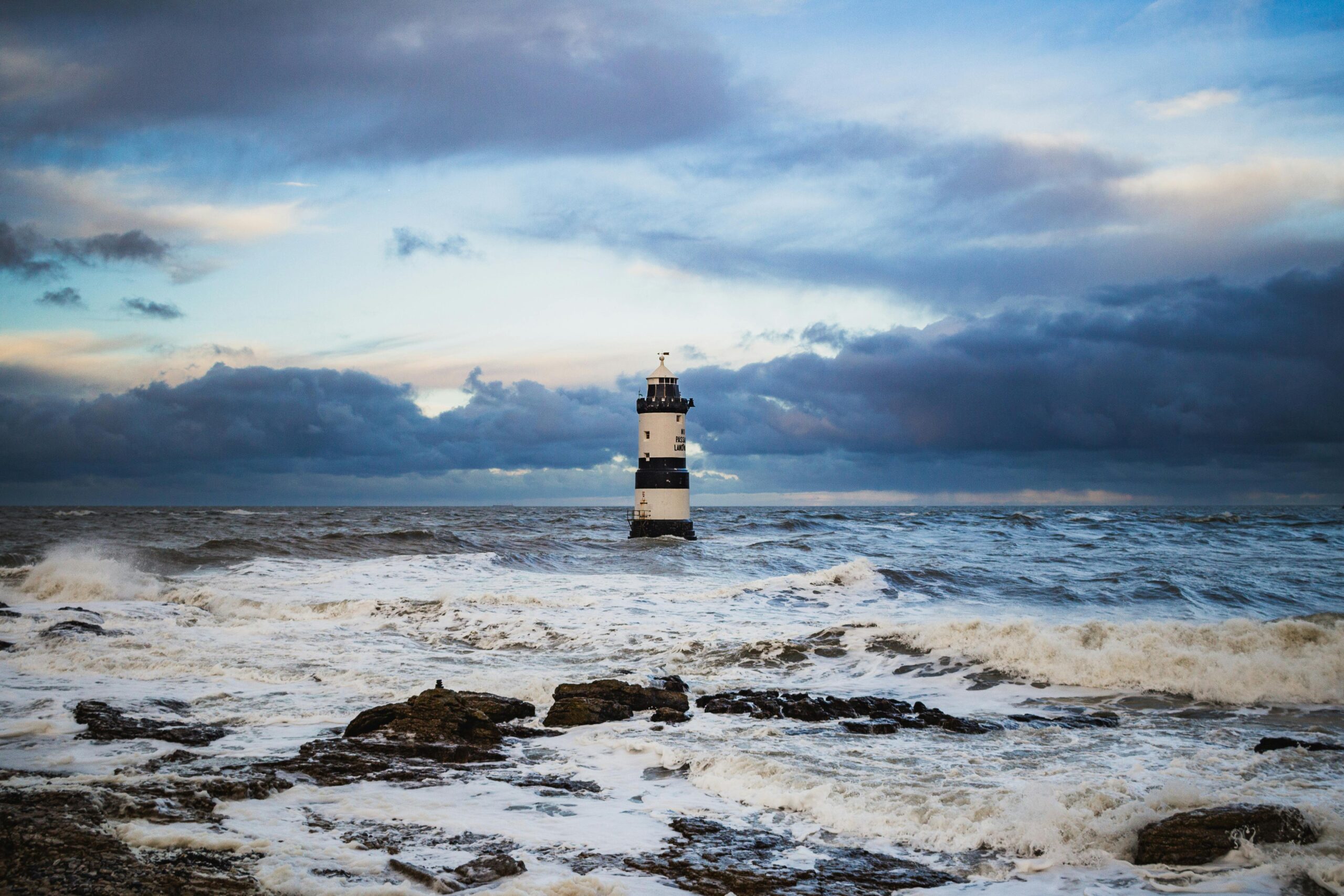
There’s something undeniably romantic about lighthouses. These solitary sentinels standing guard over rocky coastlines have captured our imaginations for centuries, becoming symbols of hope, guidance, and steadfast devotion. Perhaps it’s the way they stand alone against the elements, or the warm glow of their beacons cutting through fog and darkness, but lighthouses continue to enchant us long after most have ceased their original function.
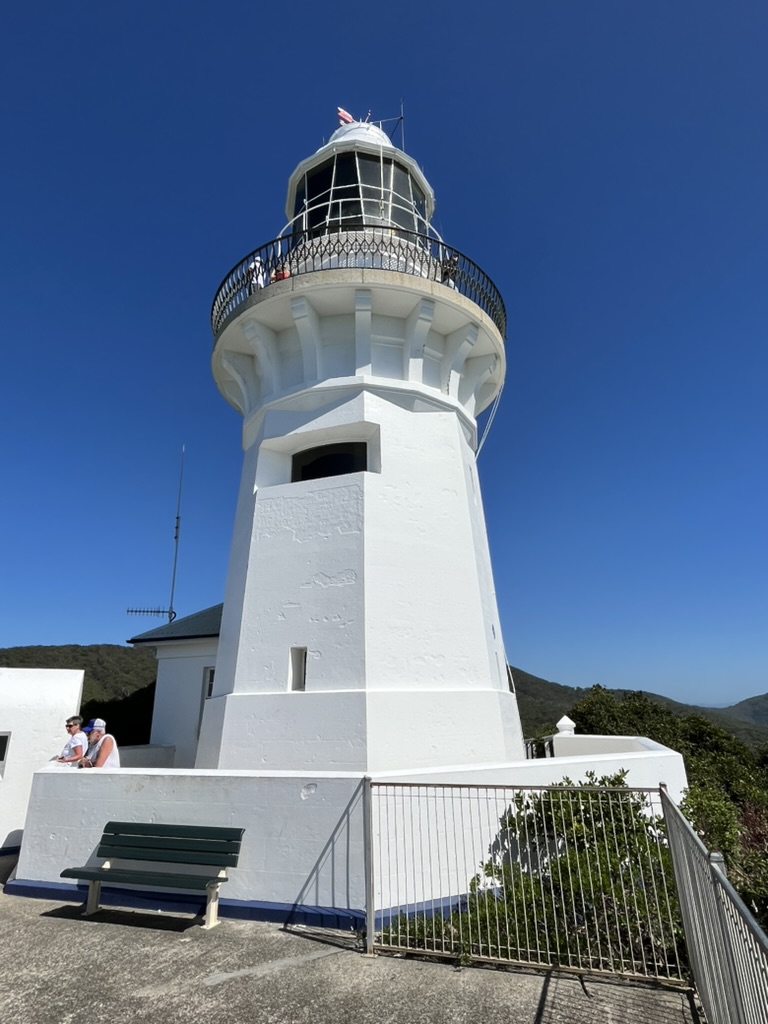
The romance begins with their very purpose. Lighthouses exist to guide sailors safely home, to warn of hidden dangers, and to provide a fixed point of reference in an ever-changing seascape. This noble calling has made them natural metaphors for guidance and salvation. The lighthouse keeper, living in isolation to maintain that crucial light, embodies dedication and selflessness. Stories abound of keepers who braved hurricanes to keep their lamps burning, knowing that lives depended on that beacon piercing through the storm.
The architecture of lighthouses adds to their allure. Each one seems to have its own personality, shaped by the unique challenges of its location. Some stand tall and proud on high cliffs, while others are stout and sturdy, built to withstand battering waves that crash directly over them. The iconic red and white stripes, the weathered stone towers, the keeper’s cottage huddled at the base—these elements combine to create structures that feel both timeless and romantic. They belong to the landscape in a way few human constructions do, as if they grew naturally from the rocks themselves.
The isolation of lighthouse life has sparked countless romantic narratives. Couples who tended lights together, spending years in near-solitude, relied entirely on each other for companionship and support. Their lives revolved around the rhythm of the tides and the turning of the light, creating an intimacy born of shared purpose and mutual dependence. Even today, the idea of escaping to a lighthouse—leaving behind the noise and chaos of modern life—appeals to our desire for simplicity and connection.
Lighthouses also represent the romance of the sea itself. They stand at the threshold between land and ocean, between safety and danger, between the known and the mysterious. They’ve witnessed countless departures and returns, storms and calms, tragedies and triumphs. Each lighthouse has stories etched into its stones: ships saved, ships lost, generations of keepers and their families, evolving technology from whale oil to electricity to automation.
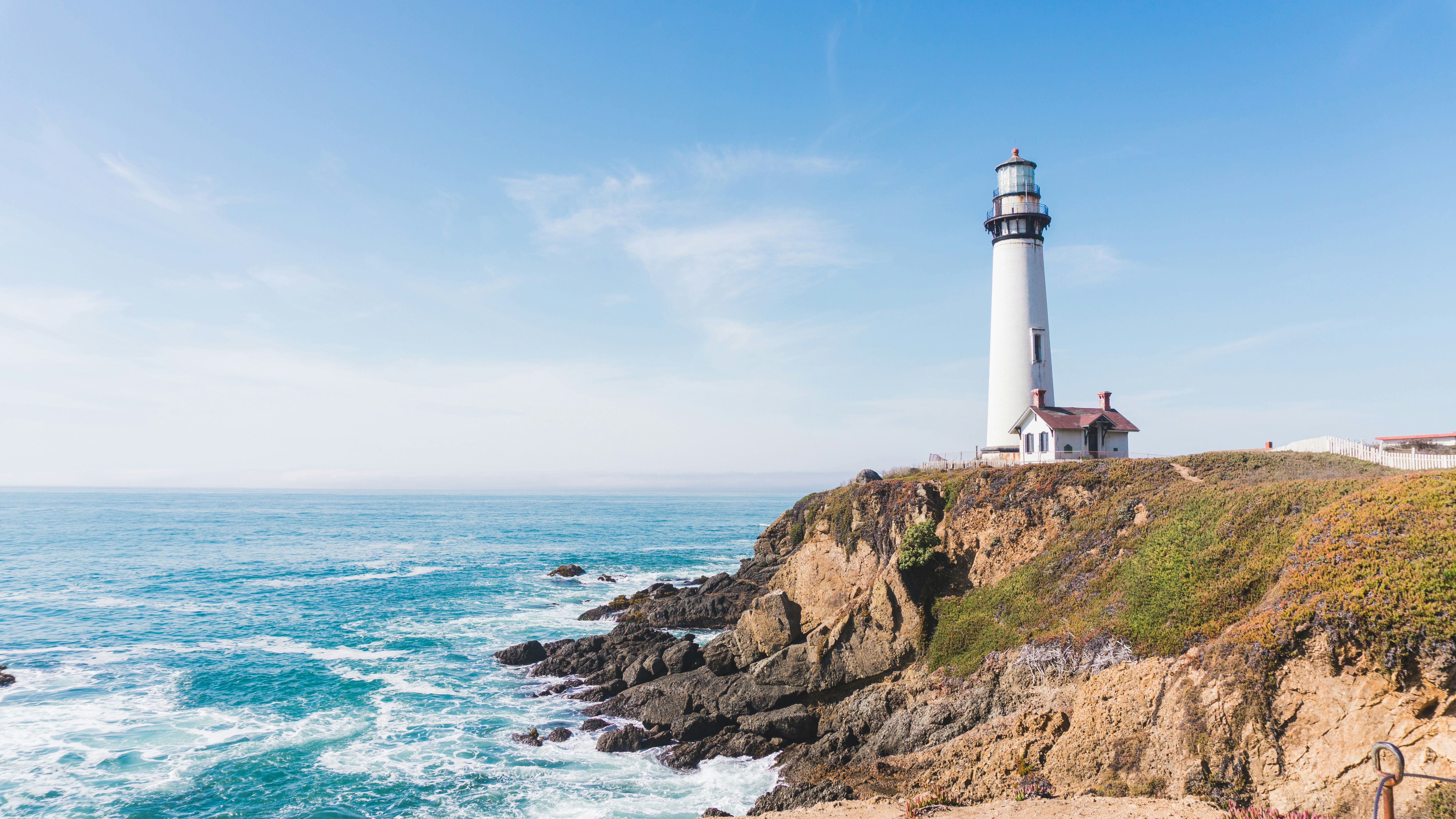
The decline of manned lighthouses has only heightened their romantic appeal. As automation replaced human keepers, these structures became monuments to a vanished way of life. Many have been preserved as museums or converted into cozy bed and breakfasts, allowing visitors to experience a taste of that solitary coastal existence. Others stand abandoned, slowly surrendering to the elements, which somehow makes them even more poignant.

Artists, writers, and photographers have long been drawn to lighthouses as subjects. Virginia Woolf’s “To the Lighthouse” made the structure a symbol of meaning and memory. Countless paintings capture their dramatic settings, while photographers chase the perfect shot of light breaking through storm clouds to illuminate a lonely tower. Lighthouses appear on everything from maritime paintings to wedding invitations, their image instantly evoking notions of safety, home, and enduring love.
In an age of GPS and sophisticated navigation systems, lighthouses might seem obsolete, yet they continue to function and fascinate. They remind us that some things—guidance, safety, steadfastness—never go out of style. The romance of lighthouses endures because they speak to something fundamental in us: our need for light in darkness, for guidance through uncertainty, and for symbols of hope standing firm against whatever storms may come. They are, in every sense, beacons that continue to call us home.
Leave a Reply